آخر الأخبار
المناخ_يهم- حقائق وارقام - 17
على مدى القرن الماضي، لم تتسبب الأنشطة البشرية في تغير المناخ فحسب، بل أدت أيضًا إلى تراجع خطير في التنوع البيولوجي. وبفعل أنماط الإنتاج والاستهلاك غير المستدامة المماثلة، فإن أزمتي المناخ والطبيعة مترابطتان بشكل عميق وتعزز كل منهما الأخرى، مما يعني أن اتخاذ إجراءات متضافرة أمر ضروري لمعالجة كلتا الأزمتين في الوقت نفسه. تعتبر المناطق المحمية ضرورية للحفاظ على الطبيعة والتنوع البيولوجي، كما أن وقف فقدان الطبيعة أمر بالغ الأهمية لمواجهة تغير المناخ. في عام 2022، اعتمدت الدول الإطار العالمي للتنوع البيولوجي في كونمينغ-مونتريال، والذي يهدف إلى وقف وعكس فقدان الطبيعة، بما في ذلك الالتزام بحماية 30% من الأراضي والبحار على كوكب الأرض بحلول عام 2030. وخلال السنوات القليلة الماضية، أحرزت الدول تقدمًا بطيئًا ولكنه ثابت نحو تحقيق هذا الهدف، حيث أصبح أكثر من 17% من الأراضي والمياه الداخلية الآن محمية. هل تعلم: بالإضافة إلى زيادة قدرة المجتمعات على الصمود أمام آثار تغير المناخ، يمكن أن توفر الحلول القائمة على الطبيعة ما يصل إلى 37% من إجراءات التخفيف من انبعاثات الغازات الدفيئة المطلوبة حتى عام 2030 لتحقيق أهداف اتفاق باريس.
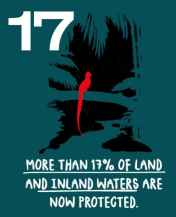
Over the past century, human activities have not only caused climate change but also led to a dangerous decline in biodiversity. Driven by similar patterns of unsustainable production and consumption, the climate and nature crises are deeply interconnected and reinforce each other, meaning that concerted action is necessary to address both at the same time. Protected areas are vital to safeguarding nature and biodiversity, and halting nature loss is critical to tackling climate change. In 2022, countries adopted the Kunming-Montreal Global Biodiversity Framework, which aims to halt and reverse nature loss, including through a commitment to protect 30% of Earth’s land and seas by 2030. Over the last few years, countries have made slow but steady progress on this target, with more than 17% of land and inland waters now protected. Did you know: In addition to increasing the resilience of communities to climate impacts, nature-based solutions can provide up to 37% of the mitigation of greenhouse gas emissions needed until 2030 to achieve the goals of the Paris Agreement.
Over the past century, human activities have not only caused climate change but also led to a dangerous decline in biodiversity. Driven by similar patterns of unsustainable production and consumption, the climate and nature crises are deeply interconnected and reinforce each other, meaning that concerted action is necessary to address both at the same time. Protected areas are vital to safeguarding nature and biodiversity, and halting nature loss is critical to tackling climate change. In 2022, countries adopted the Kunming-Montreal Global Biodiversity Framework, which aims to halt and reverse nature loss, including through a commitment to protect 30% of Earth’s land and seas by 2030. Over the last few years, countries have made slow but steady progress on this target, with more than 17% of land and inland waters now protected. Did you know: In addition to increasing the resilience of communities to climate impacts, nature-based solutions can provide up to 37% of the mitigation of greenhouse gas emissions needed until 2030 to achieve the goals of the Paris Agreement.
